The recent announcement of Thailand's visa-free policy for travelers from select countries has sent waves of excitement across the global tourism industry. This bold move by the Thai government is not just a temporary measure but a strategic step to revitalize its economy, which heavily relies on tourism. For decades, Thailand has been a magnet for travelers seeking pristine beaches, rich cultural heritage, and vibrant city life. Now, with the elimination of visa requirements for many, the country is poised to welcome even more visitors with open arms.
Understanding the New Visa-Free Policy
Thailand's visa exemption applies to passport holders from over 50 countries, including major markets like China, India, Russia, and several European nations. Tourists from these regions can now enter Thailand without a visa for stays of up to 30 days, a significant shift from the previous requirements that often involved lengthy application processes and fees. The policy is expected to remain in place for the foreseeable future, though the government has hinted at periodic reviews to assess its impact.
The decision comes at a critical time. The global travel industry is still recovering from the pandemic's aftershocks, and Thailand, like many other tourist-dependent economies, has felt the pinch. By removing barriers to entry, the country aims to accelerate its recovery, targeting pre-pandemic visitor numbers by 2025. Early indicators suggest the strategy is working—airline bookings and hotel reservations have surged since the policy was unveiled.
The Economic Ripple Effect
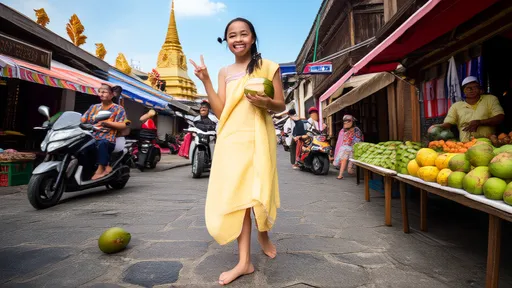
Beyond the immediate boost in tourist arrivals, the visa-free policy is expected to have far-reaching economic benefits. Local businesses, from street vendors to luxury resorts, stand to gain as spending by international visitors increases. The Thai baht, which had been under pressure, may also stabilize as foreign currency inflows rise. Moreover, the policy could spur job creation in sectors like hospitality, transportation, and retail, providing much-needed employment opportunities for locals.
However, some experts caution against over-optimism. While the influx of tourists will undoubtedly inject cash into the economy, there are concerns about sustainability. Thailand’s infrastructure, particularly in popular destinations like Bangkok, Phuket, and Chiang Mai, is already strained during peak seasons. Without parallel investments in transportation, waste management, and public services, the country risks compromising the very attractions that draw visitors in the first place.
Cultural and Social Implications
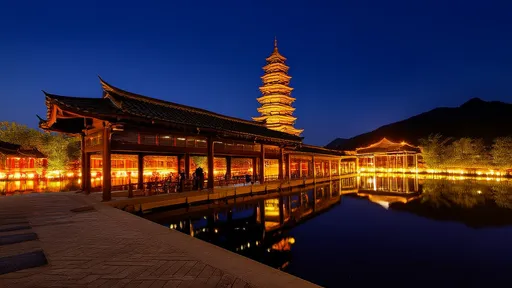
The visa-free policy isn’t just about economics—it’s also a cultural exchange accelerator. Thailand’s unique blend of traditions and modernity has long fascinated foreigners. With easier access, more travelers can immerse themselves in Thai festivals, cuisine, and rural lifestyles, fostering deeper cross-cultural understanding. This could also lead to a rise in long-term stays, with visitors opting to extend their trips or even explore digital nomad opportunities given the country’s affordable cost of living.
On the flip side, there are worries about over-tourism and its impact on local communities. Areas like the Phi Phi Islands and Maya Bay have already faced environmental degradation due to unchecked visitor numbers. The Thai government has acknowledged these challenges and pledged to enforce stricter regulations, including visitor caps at sensitive sites. Balancing growth with preservation will be key to ensuring that tourism benefits both the economy and the environment.
What This Means for Travelers
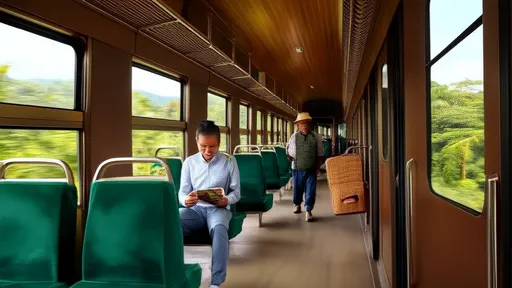
For globetrotters, Thailand’s visa-free policy is nothing short of a golden ticket. The elimination of paperwork and fees reduces both the cost and hassle of international travel, making spontaneous trips more feasible. Travel agencies are reporting a spike in inquiries, with many clients eager to revisit Thailand or explore it for the first time. The policy is particularly appealing to budget travelers and backpackers, who often factor visa costs into their itineraries.
That said, travelers should remain mindful of the rules. The 30-day limit is strict, and overstaying can result in fines or bans. It’s also worth noting that the exemption applies only to tourism—those planning to work or study in Thailand will still need appropriate visas. As always, checking the latest updates from official sources before booking flights is advisable, as policies can evolve.
A Model for Other Destinations?
Thailand’s bold move raises an intriguing question: Will other countries follow suit? In Southeast Asia, rivals like Vietnam and Indonesia have also eased visa restrictions, but none have gone as far as Thailand. If the policy proves successful, it could set a precedent for regional tourism strategies. For now, all eyes are on Thailand as it embarks on this experiment, blending hospitality with economic pragmatism in a post-pandemic world.
One thing is certain—the Land of Smiles is smiling wider than ever, inviting the world to discover its wonders without the red tape. Whether this translates into lasting prosperity remains to be seen, but for travelers dreaming of Thai adventures, the path has never been clearer.

By /Aug 22, 2025

By /Aug 13, 2025
By /Aug 22, 2025

By /Aug 22, 2025

By /Aug 22, 2025

By /Aug 13, 2025

By /Aug 22, 2025

By /Aug 13, 2025

By /Aug 22, 2025

By /Aug 13, 2025

By /Aug 13, 2025

By /Aug 13, 2025

By /Aug 22, 2025

By /Aug 22, 2025

By /Aug 22, 2025
By /Aug 13, 2025

By /Aug 22, 2025
By /Aug 22, 2025

By /Aug 22, 2025
By /Aug 13, 2025
